

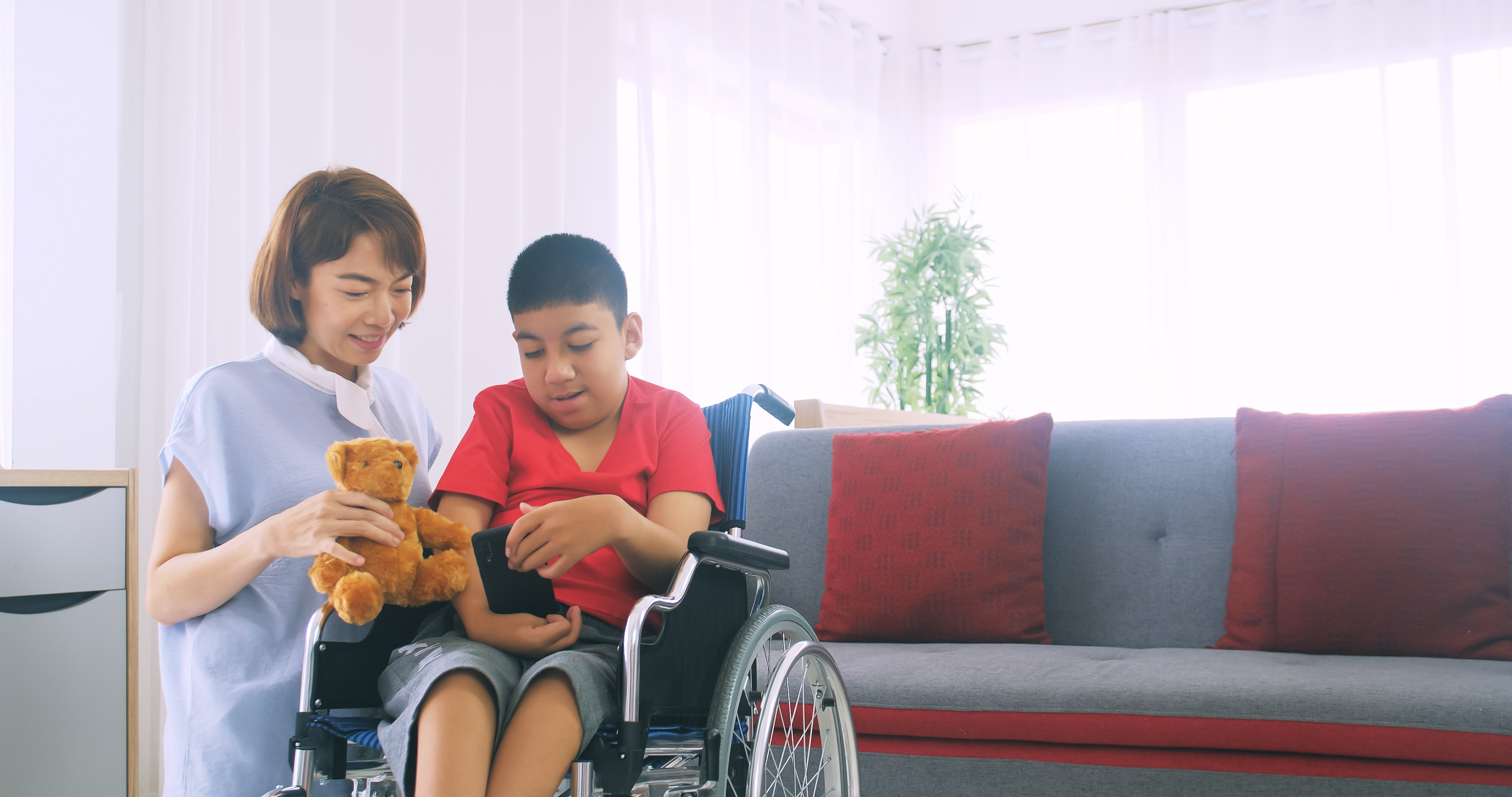










We’re actively driving to employ more people with disability.
Read more ›
We actively foster inclusion through the diversity of our people.
Read more ›
A central theme that echoed throughout the conference was the power and necessity of elevating lived experienc...
Read more ›
As a respite foster carer, you will provide a caring and supportive role, not only to children in need, but al...
Read more ›
"Like every other mum, I hope that Scott will be able to live as normal a life as possible." Marjorie, Scott's...
Read more ›
A central theme that echoed throughout the conference was the power and necessity of elevating lived experiences—those firsthand accounts of navigating the child welfare and family services systems—to the forefront of reform and decision-making.
This year’s Child, Youth and Family Conference brought together not only professionals and advocates but also individuals with direct experience in care and family intervention. Their stories shaped every conversation, underscoring how policies made without community voices often fail the very people they intend to help.
One of the most powerful shifts discussed was the movement toward co-designing services with families and youth—treating them not as passive recipients but as active architects of change. By empowering those who’ve experienced care firsthand, organizations and institutions are now beginning to build more flexible, humane systems that respond to real-life needs instead of rigid assumptions.
Speakers emphasized the need for culturally safe, trauma-informed approaches that keep families together wherever possible. There were compelling case studies showing how early intervention and wraparound community support had helped prevent the unnecessary removal of children from their homes—once a common outcome of a one-size-fits-all model.
Panel discussions also highlighted the mental and emotional toll on both youth in care and the families involved, and how shared decision-making and relational support can dramatically improve outcomes.
In the words of one delegate: “You can’t build better systems for people without them in the room. We’re not just stories. We’re solutions.”
As a respite foster carer, you will provide a caring and supportive role, not only to children in need, but also to the full-time carers who dedicate themselves day in and day out. It’s a role often overlooked, yet deeply impactful—offering temporary care for children and critical breathing space for long-term foster families.
Respite care might take place over a weekend, a holiday, or just a few nights. But for children, it can mean consistency, comfort, and a trusted adult they can rely on. And for carers, it provides time to rest, recharge, and sustain the emotional demands of fostering.
What makes respite care unique is its flexibility and accessibility. Many people who feel they can’t commit to full-time fostering discover they can still make a lasting difference through short-term support. Couples like Anna and Lewis, who began with one weekend a month, now describe it as “the most meaningful commitment we’ve ever made.”
Children placed in respite often face trauma, instability, or emotional strain. Respite carers become safe spaces—offering warmth, patience, and positivity that can help rebuild a child’s sense of trust in adults and in themselves.
Beyond the home, respite care also strengthens the foster care ecosystem. It reduces burnout, increases placement stability, and offers backup options during emergencies or transitions. It’s a critical part of ensuring the sustainability of foster care services—and the well-being of everyone involved.
"Like every other mum, I hope that Scott will be able to live as normal a life as possible." Marjorie, Scott's mother, shared these words shortly after his diagnosis of early-onset dementia.
The fear, uncertainty, and heartbreak were real—but so was her resolve. She refused to let the diagnosis define her son’s future.
With the right support system, Scott has defied expectations. From participating in backyard games to spending time at community gatherings, he continues to find joy in the everyday. His story isn’t one of decline—it’s one of adaptation, strength, and meaningful living.
Scott's journey is a powerful reminder that a mental health diagnosis doesn’t erase identity, purpose, or potential. In fact, it has brought to light a growing movement in care: one that emphasizes capability over limitation, and connection over isolation.
Thanks to programs focused on early intervention, social integration, and inclusive recreation, Scott and others like him are supported not just clinically, but emotionally and socially. This holistic approach has helped reduce stigma and increase participation, proving that people with dementia—and other mental health conditions—can still live rich, engaged lives.
His progress also highlights the critical role of families, carers, and community organizations in creating environments where individuals are seen for who they are, not just for their diagnosis. Scott’s story is one of many showing that with empathy, access, and community, individuals can thrive—on their own terms.