
Assist Life Stage Transition
What We Offer
Emotional & Psychological Wellbeing
-Creating safe, stigma-free spaces for healing , growth, and empowerment.

Forensic Mental Health Care
Specialist support for individuals with forensic backgrounds, focusing on stability and safe reintegration.
Read more ›Trauma-informed Support

Care that recognises trauma, fostering healing through trust and empowerment.
Read more ›Behavioural Support

Positive behaviour strategies that improve safety, skill development, and wellbeing.
Read more ›Mental Health Recovery & Life Rebuilding
Strength-based recovery support that promotes independence, connection, and wellness.
Read more ›<

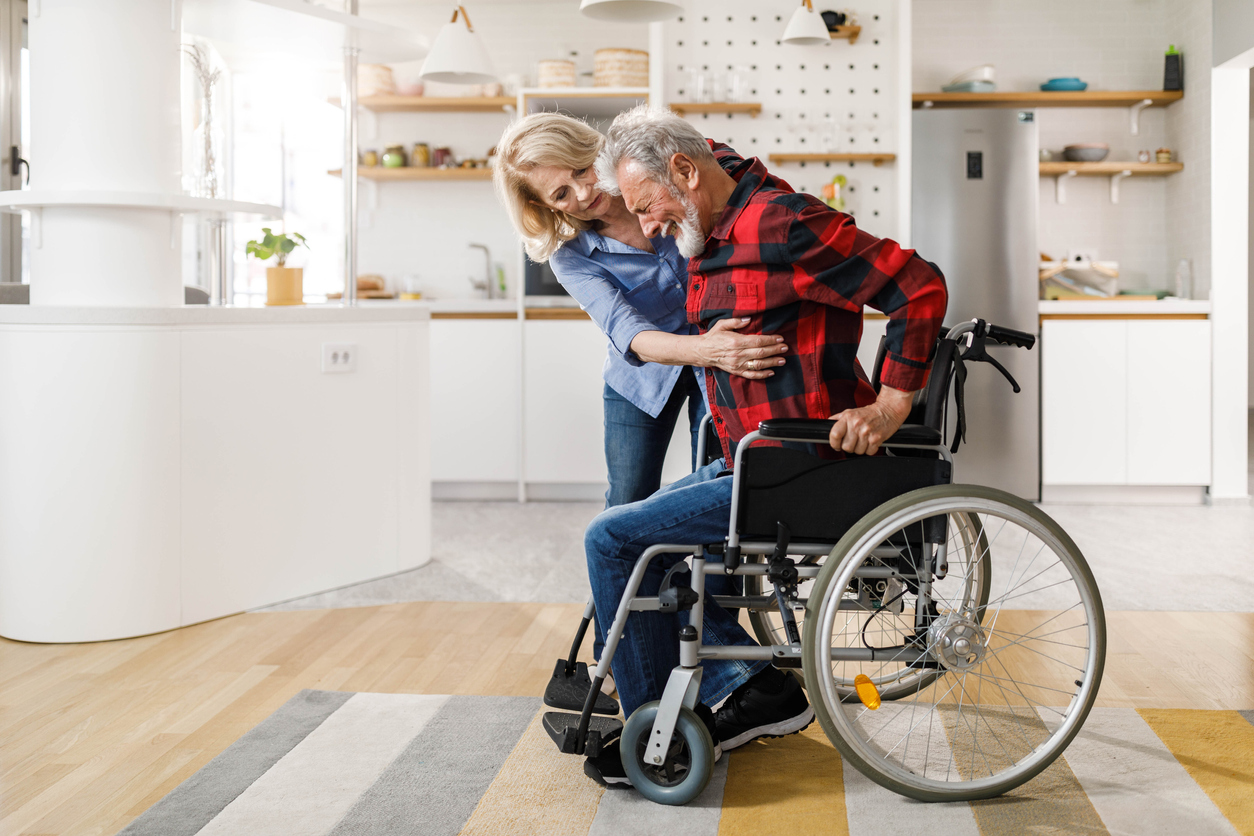
Strengthening Minds, Empowering Lives
We focus on emotional safety and healing by offering personalised care that supports resilience, growth, and recovery. Through a compassionate, trauma-aware approach, individuals are encouraged to regain confidence and reclaim control over their lives.
Learn more with the links below:
Advanced Support For Complex Needs
-Specialised care for individulas with high or intensive need-delivered with empathy and expertise.
24/7 High-Level Support
Round-the-clock personalised care for individuals with ongoing support needs.
Read more ›Clinical Care by Registered Nurses
Professional nursing care including medication, wound care, and health monitoring.
Read more ›Complex & High Intensity Care
Specialised, multi-disciplinary support for complex health and behavioural needs..
Read more ›Hoist Tranfers, Medication & More
Assistance with safe transfers, medication, and critical daily tasks.
Read more ›>

Specialised Care for Unique Challenges
Our high-intensity support is designed for individuals with complex physical or mental health needs. With clinical oversight and 24/7 assistance, we ensure safety, dignity, and continuity of care through customised plans led by experienced professionals.
Learn more with the links below:
Everyday Living Support at Home
-Helping you maintain independence and enjoy daily lif ewith confidence and comfort
Personal & Hygiene Care
Dignified assistance with bathing, grooming, and daily self-care routines.
Read more ›Community Participation & Social Outings
Inclusive activities that build social skills, friendships, and confidence.
Read more ›Life Skills & Capacity Buliding
Helping participants build independence through daily living skills.
Read more ›Home Help & Domestic Support
Support with cleaning, laundry, and cooking for a safe home environment.
Read more ›<
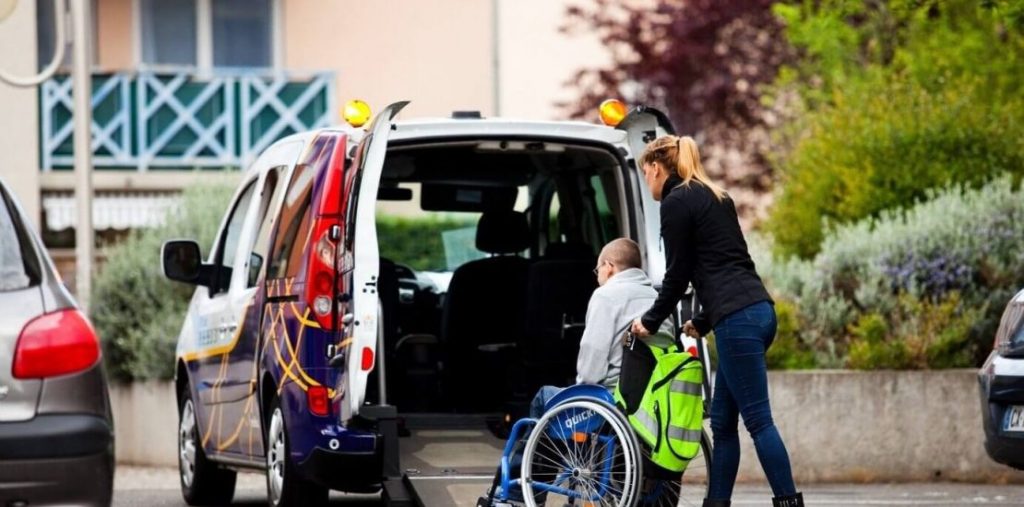
Independence Starts with the Everyday
From preparing meals to building daily life skills, we provide hands-on support that helps individuals live with greater independence at home. Our services empower participants to take charge of their routine and feel confident in their environment.
Learn more with the links below:
Tailored Living & Accommodation Solutions
-A Variety of safe, supportive homes designed to meet your goals and preferences

Specialist Disability Housing
Accessible, purpose-built homes designed for safety, comfort, and independence.
Read more ›Supported independent Living

24/7 support in shared or individual homes promoting independence.
Read more ›Short-Term Respite Accommodation

Flexible, short-term stays for participants and carers needing a break.
Read more ›Medium-Term Transitional Housing

Safe, stable housing while awaiting long-term arrangements.
Read more ›>
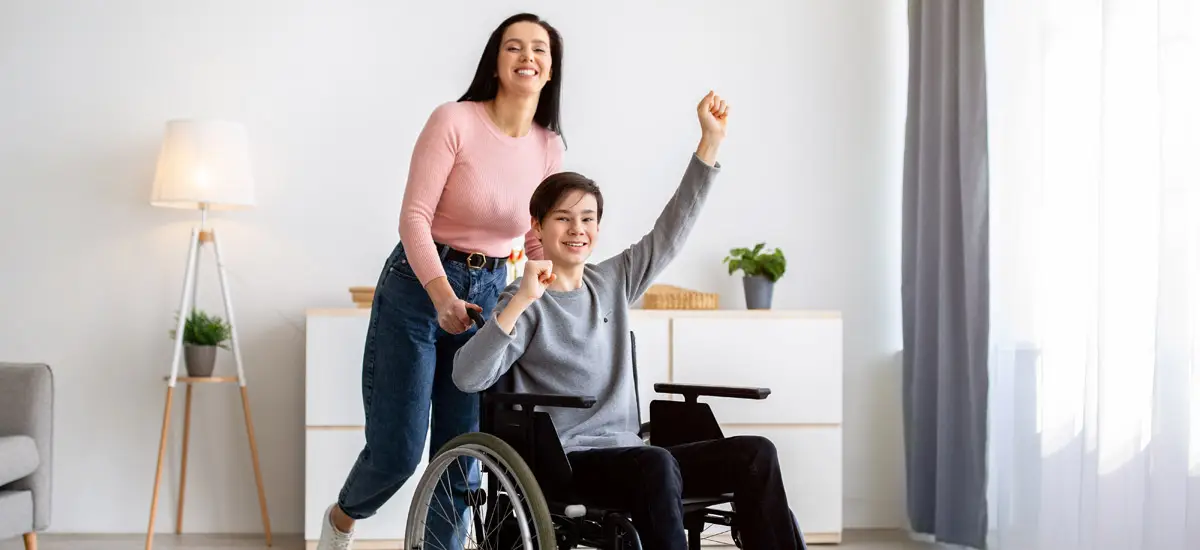
Where Comfort Meets Capability
Our housing and accommodation supports are more than just places to stay—they’re spaces designed for comfort, accessibility, and empowerment. Whether short-term or long-term, we match every individual with the living arrangement that supports their goals.
Learn more with the links below:
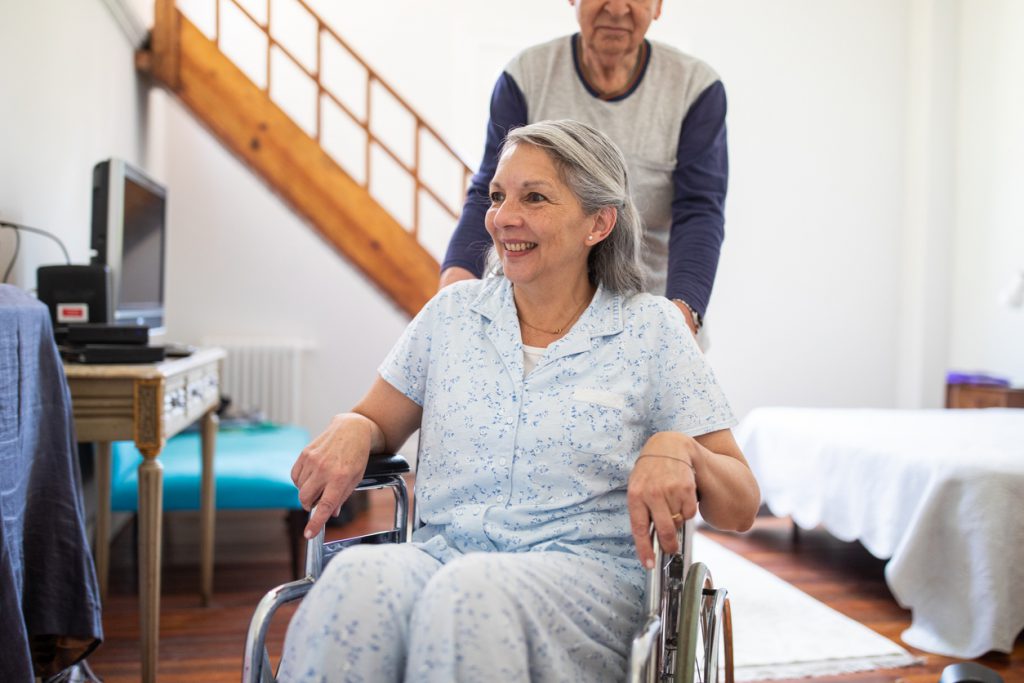
Forensic Mental Health Care
Navigating the intersection of mental health and the justice system requires highly specialized care, and forensic mental health services are designed to support individuals with mental illness who have interacted with the legal system. These services are not only clinical but also rehabilitative, aiming to balance therapeutic care with public safety.
Forensic mental health care focuses on comprehensive psychiatric evaluation, risk assessment, and treatment planning. Individuals referred to these services may be transitioning from correctional facilities, undergoing court-ordered treatment, or dealing with mental health issues that contributed to criminal behavior.
Care is tailored to each individual, ensuring that support aligns with their clinical, emotional, and social needs. Psychiatrists, psychologists, and support workers collaborate closely to reduce risk, promote recovery, and encourage reintegration into the community.
Rehabilitation plays a central role, focusing on restoring daily living skills, developing social connections, and addressing substance use if it is a contributing factor. Therapeutic programs may include cognitive behavioral therapy (CBT), anger management, and trauma recovery support.
Crisis management and suicide prevention are critical components of care. Forensic mental health providers are trained to de-escalate challenging behaviors, manage high-risk situations, and provide interventions that prioritize safety and dignity.
For many individuals, legal advocacy and support are also vital. Case workers often collaborate with lawyers, correctional officers, and the courts to ensure that care decisions align with legal requirements while prioritizing mental health recovery.
Family involvement is encouraged where appropriate. Loved ones can play a critical role in stabilizing the individual’s mental health and promoting long-term recovery. Education and counseling for families may also be provided to foster understanding and healing.
Ongoing monitoring, including medication management and behavioral tracking, helps maintain stability. Clients are supported in making informed choices about their health, behavior, and future direction, promoting personal accountability and growth.
Ultimately, forensic mental health care aims not just to treat, but to restore. With compassionate support, individuals are given the tools and structure to move forward, reduce recidivism, and rebuild their lives with dignity.
.
Trauma-Informed Support
Trauma-informed support is rooted in an understanding that many individuals receiving care have experienced psychological trauma. This approach ensures that every interaction and intervention is conducted with sensitivity to those past experiences, minimizing re-traumatization and fostering emotional safety.
Support workers trained in trauma-informed care recognize signs of trauma and respond with compassion rather than judgment. They emphasize respect, patience, and empowerment in all client interactions, helping individuals feel in control of their care and decisions.
Central to trauma-informed support is creating a safe, predictable, and stable environment. This includes consistency in staff, clear communication, and routines that provide a sense of security. Even small actions, like asking for consent before initiating care, contribute to trust-building.
Support is holistic, addressing not just the emotional and psychological impact of trauma but also its effects on the body, relationships, and day-to-day functioning. This may involve coordinating with therapists, case managers, and family members when appropriate.
Trauma-informed care extends to how services are delivered. Staff use non-threatening body language, avoid overly clinical or institutional settings, and offer calming strategies that help clients manage anxiety or distress in real-time.
In many cases, trauma-informed support includes goal setting that aligns with recovery. Whether it’s regaining independence, reconnecting with family, or pursuing education, each goal is respected as a step toward rebuilding after adversity.
Ultimately, trauma-informed care is about seeing the whole person, not just a diagnosis or behavior. It’s about healing through compassion, understanding, and empowerment—offering individuals the safety and strength to move forward.
Behavioural Support
Behavioural support is designed to assist individuals who experience complex behavioral challenges that affect their daily living and interactions. These behaviors may stem from cognitive impairments, developmental conditions, trauma, or environmental stressors.
The primary goal of behavioural support is to reduce challenging behavior and increase positive skills and coping strategies. This is achieved through proactive, person-centered plans developed with input from the individual, their support network, and professionals
Behavioral assessments form the foundation of support. Through observation, interviews, and analysis, professionals identify triggers, patterns, and underlying needs. Understanding the "why" behind behavior allows for targeted and effective intervention
Families and carers are key partners in behavioural support. They receive coaching and training to implement strategies at home and in community settings, ensuring continuity and consistency of care across environments.
Behavioural support often integrates allied health services, such as psychology, occupational therapy, and speech pathology. These professionals contribute strategies that enhance communication, daily functioning, and emotional regulation.
Progress is tracked over time to ensure strategies are effective and adjusted as needed. Regular reviews, data collection, and team meetings keep the support dynamic and responsive to the individual’s development.
Ultimately, behavioural support empowers individuals to better navigate their world, build stronger relationships, and experience greater independence. With the right tools and guidance, even the most challenging behaviors can be transformed into opportunities for growth.
Mental Health Recovery & Life Rebuilding
Mental health recovery goes beyond symptom management—it's about rebuilding a meaningful life, developing resilience, and finding renewed purpose despite challenges. Recovery is deeply personal, shaped by the individual’s goals, strengths, and experiences.
A supportive recovery model encourages autonomy and empowers individuals to define what wellness means to them. This might involve returning to work, rebuilding relationships, or rediscovering hobbies and interests that bring joy and purpose.
Therapeutic interventions such as cognitive behavioral therapy, peer support, and holistic wellness programs play a critical role. These tools help individuals process emotions, manage stress, and reframe negative thinking patterns.
Life rebuilding also includes skills development, such as financial literacy, time management, cooking, and self-care. These practical skills provide the confidence and capability to live independently and with dignity.
Support teams often include psychologists, support workers, social workers, and peer mentors who collaborate with the individual to create a strengths-based, forward-focused recovery plan.
Community engagement is vital during this journey. Rebuilding life may involve volunteering, joining support groups, or reestablishing community connections that foster inclusion and purpose.
Recovery is not linear, and setbacks can happen. What matters is the consistency of support, the encouragement to try again, and the unconditional belief in every person’s potential to thrive.
Ultimately, mental health recovery and life rebuilding is about hope. With the right support, individuals can not only regain stability—they can also rebuild a life that is vibrant, meaningful, and self-directed.
.
24/7 High-Level Support
Round-the-clock support is essential for individuals with complex health needs who require constant monitoring and assistance. This level of care ensures that help is always available, day or night, to manage emergencies or daily tasks.
Trained support workers and nurses provide supervision, care coordination, and direct assistance tailored to individual medical and personal needs.
Support can include medication administration, toileting, repositioning, and monitoring vital signs—ensuring continuity and safety at all hours.
For families, 24/7 care offers peace of mind, knowing their loved one is in good hands even when they are unavailable.
This service often includes assistance with mobility and hoist transfers, especially important for those with physical impairments or recovering from surgery.
Flexibility is built in: night shifts, sleepovers, or active overnight shifts can be tailored based on individual care plans.
High-level support is not just about availability—it’s about maintaining dignity, comfort, and quality of life at all times.
With a dedicated team on hand, individuals can live safely and more independently in their preferred setting.
Clinical Care by Registered Nurses
Registered nurses (RNs) bring advanced medical expertise to the care environment, delivering clinical services that go beyond basic support.
They manage complex health conditions, from wound care and catheter maintenance to diabetes management and post-operative monitoring.
RNs work closely with allied health professionals and doctors to ensure continuity of care, updating care plans based on medical changes.
Education is a vital part of their role—they help individuals and families understand diagnoses, medications, and self-care techniques.
With compassion and clinical precision, nurses build trust while ensuring safe and effective treatment.
Their involvement reduces hospital admissions by detecting early signs of deterioration and providing timely interventions.
Whether in the home or supported accommodation, RNs deliver person-centered care that respects autonomy and dignity.
Clinical nursing care is essential for maintaining stability and improving outcomes, especially for those with ongoing or progressive conditions.
Complex & High Intensity Care
Complex care addresses the needs of individuals with multiple or severe health conditions that require coordinated, continuous, and specialized support.
This may include neurological disorders, degenerative diseases, acquired brain injuries, or significant mobility impairments.
Support staff are trained in advanced care practices such as PEG feeding, tracheostomy care, and ventilator assistance.
A multidisciplinary team works collaboratively to monitor symptoms, manage medications, and respond to emergencies swiftly.
Regular assessments ensure care remains responsive as conditions evolve or stabilize.
Despite the complexity, the approach remains person-focused—care plans are designed to support individual choices, independence, and quality of life.
Families are often heavily involved, receiving training and guidance to support their loved ones confidently.
Complex care requires precision, compassion, and consistency—and when delivered well, it enables individuals to live as fully as possible.
Hoist Transfers, Medication & More
Physical support services like hoist transfers, medication management, and repositioning are vital for individuals with mobility and medical needs.
Hoist systems allow for safe transfers between beds, wheelchairs, and bathing areas, reducing the risk of injury for both clients and carers.
Support workers are trained to use mechanical and ceiling hoists with care, patience, and respect for the individual's comfort.
Medication support includes prompting, administering, and monitoring effects, all in line with prescribed treatment plans.
Repositioning is another critical task that prevents pressure sores and supports circulation, especially for those with limited mobility.
All procedures are carried out with a strong emphasis on privacy, dignity, and client preferences.
Families are kept informed and reassured that all medical tasks are being handled with professionalism and safety.
These support services, though highly technical, are delivered with warmth and attentiveness to the person behind the care need.
Personal & Hygiene Care
Dignified assistance with personal care is a cornerstone of everyday support services. It ensures individuals can maintain hygiene, comfort, and health without compromising their self-esteem.
This includes bathing, grooming, dressing, oral care, and toileting—tailored to the individual’s abilities and preferences.
Support is offered respectfully and discreetly, promoting independence where possible and stepping in when needed.
Consistency in caregivers builds trust and helps clients feel more comfortable during intimate care routines.
Hygiene care also helps prevent infections and skin conditions, improving overall physical health and well-being.
Carers are trained to recognize signs of discomfort, illness, or emotional distress during daily routines.
Beyond the physical aspects, personal care is an act of connection—it affirms the individual's dignity and right to feel clean, fresh, and confident.
This daily support builds routine, stability, and a strong foundation for better quality of life.
Community Participation & Social Outings
Staying socially connected is crucial to emotional health, confidence, and overall happiness.
Community participation services help individuals engage in activities that enrich their lives—from joining clubs to attending events and volunteering.
Support workers accompany individuals on outings, ensuring accessibility, safety, and encouragement throughout the experience.
Activities are chosen based on the individual’s interests, cultural background, and personal goals.
This support can also include using public transport, exploring local resources, or visiting friends and family.
Over time, these experiences build confidence, reduce isolation, and create a sense of belonging in the community.
Social engagement also supports mental health by fostering positive relationships and giving life a greater sense of purpose.
Everyone deserves the opportunity to participate, connect, and contribute.
Life Skills & Capacity Building
Capacity building empowers individuals with the skills they need to live more independently, confidently, and actively in their communities.
Support workers guide clients in developing practical life skills such as cooking, budgeting, shopping, and cleaning.
Learning is done at the individual's pace, in real-life settings, ensuring the skills are relevant and meaningful.
Programs often include communication skills, emotional regulation, and problem-solving strategies.
Workshops, social groups, and one-on-one sessions help build self-esteem and social confidence.
This form of support is not just about “doing things”—it’s about fostering decision-making, autonomy, and self-belief.
Capacity building is key to long-term well-being. It gives individuals the tools to shape their lives and reach their personal goals.
When people believe in their ability to succeed, the path to independence becomes far more attainable.
Home Help & Domestic Support
Everyone deserves a clean, safe, and organized home—especially those with disabilities or health conditions.
Domestic support helps individuals maintain their homes through assistance with tasks like cleaning, laundry, meal preparation, and gardening.
Care is provided respectfully, with attention to the client’s preferences, routines, and cultural considerations.
This support reduces physical strain, prevents accidents, and creates a healthier living environment.
Home help often includes organizing spaces to improve accessibility and promote independence.
Support workers can also assist with grocery shopping, errands, and managing household supplies.
By easing the burden of daily chores, individuals are free to focus on their goals, health, and social activities.
A tidy home is not just a comfort—it’s a vital part of physical and mental well-being.
Specialist Disability Housing
Specialist Disability Accommodation (SDA) provides purpose-built or modified housing for individuals with extreme functional impairment or very high support needs.
These homes are designed for accessibility, safety, and long-term comfort—featuring elements like wide doorways, assistive technology, and hoist systems.
SDA housing allows individuals to live with greater independence while still accessing the high-level support they need.
Tenants can choose who they live with and what support services they want, creating a personalized and empowering living arrangement.
Each property meets strict design standards to ensure quality, durability, and suitability for complex care.
SDA providers work collaboratively with families, support coordinators, and care teams to match individuals with the most appropriate housing.
Living in a safe, well-designed environment significantly improves quality of life, emotional wellbeing, and community inclusion.
SDA is more than just a roof—it’s a foundation for freedom, security, and self-directed living.
Supported Independent Living
Supported Independent Living (SIL) offers ongoing daily support within a shared or individual home setting, ideal for those who want to live as independently as possible.
SIL includes help with cooking, cleaning, medication, community access, and personal care.
Residents are encouraged to participate in their routines, make decisions, and develop skills that foster autonomy.
Support is customized based on each person’s goals, personality, and level of need.
Living with others can promote social connection, teamwork, and mutual support in a respectful environment.
Support workers are available 24/7 to assist with anything from emergencies to encouragement.
Family members are reassured that their loved ones are safe while still enjoying a fulfilling, independent lifestyle.
SIL helps individuals live not just in a house—but in a home where they thrive.
Short-Term Respite Accommodation
Respite care offers individuals and their carers a much-needed break. Whether planned or urgent, short-term accommodation ensures continuity of support in a safe, comfortable environment.
These stays can last from a few days to a few weeks, depending on needs and availability.
Clients receive 24/7 support, nutritious meals, recreational activities, and access to familiar care routines.
It’s an opportunity to recharge, socialize, and enjoy new surroundings without disruption to wellbeing.
For carers, respite provides time to rest, attend to personal matters, or simply take a mental health break.
Respite homes are welcoming, well-equipped, and staffed by trained professionals.
They also provide opportunities to trial new living arrangements or experience greater independence.
This short-term solution delivers long-term benefits—for everyone involved
Medium-Term Transitional Housing
Medium-Term Accommodation (MTA) supports individuals during periods of change, such as moving from hospital to home, waiting for SDA, or preparing for long-term placements.
These stays typically last up to 90 days and provide a stable, supportive environment during uncertain times.
MTA ensures that care and rehabilitation continue uninterrupted while permanent housing is being arranged.
Properties are accessible, fully furnished, and designed for safety and comfort.
Support workers assist with daily tasks, personal care, transport, and emotional adjustment.
MTA helps reduce hospital readmissions and avoid gaps in care by offering structure and routine.
It also allows time for proper planning and decision-making regarding future housing and support.
Transitional housing is about more than a place to stay—it’s a springboard toward long-term stability and independence.
Transitioning between life stages can be a challenging yet rewarding experience. At Vestcare, we offer dedicated support for individuals moving from school to work or from home to independent living. Our programs are designed to provide guidance, resources, and encouragement to help individuals navigate these significant changes confidently. By fostering independence and building essential skills, we empower you to embrace new opportunities and thrive in your next life stage.
